When your business relies on vehicles, waiting for something to fail is a quick way to lose time, money, and trust. Preventive fleet maintenance offers a better path: catch wear early, avoid emergency repairs, and keep everything running smoothly. For companies that depend on steady transportation, this isn't just convenient; it's a game-changer. If your business already invests in fleet services and regular auto maintenance, you're laying a strong foundation for fewer surprises and more uptime.
The idea is pretty straightforward. Instead of waiting until something breaks, preventive maintenance sets up a routine for inspections, service intervals, fluid checks, brakes, tires, batteries, and diagnostics. According to the U.S. Department of Energy’s vehicle maintenance guidance, regular maintenance boosts reliability and can cut down on expensive problems before they grow. This applies to all business vehicles, from a single service van to a larger fleet.
Why Preventive Fleet Maintenance Beats Emergency Repairs
Breakdowns Are More Than Just Vehicle Issues
A breakdown can throw a wrench in your whole day. Missed deliveries, delayed service calls, or a vehicle that can't reach a job site on time can hit your revenue and reputation all at once. For smaller businesses, even one unexpected repair can mess up schedules, rack up overtime costs, and force managers to scramble for backup plans. Preventive maintenance cuts that risk by catching potential problems before they turn into emergencies.
It also adds predictability. When service needs are planned, managers can schedule repairs during slower periods rather than losing a vehicle on a busy day. This makes managing the business a bit easier, especially when drivers, customers, and operations all depend on the same fleet.
Protecting What You Already Own
Commercial vehicles are an investment, and like any investment, they need protection. Regular maintenance helps extend the life of brakes, belts, filters, batteries, tires, and engine components. It also reduces wear on the whole system, making sure small issues don’t force related parts to work harder than they should. The result? Longer vehicle life and better value over time.
If you want help staying ahead of service intervals, partnering with a trusted auto repair team can make things easier. A repair shop that gets commercial use can spot patterns, recommend service timing, and help prioritize the most important repairs first.
What’s Included in Preventive Fleet Maintenance
Routine Inspections and Diagnostics
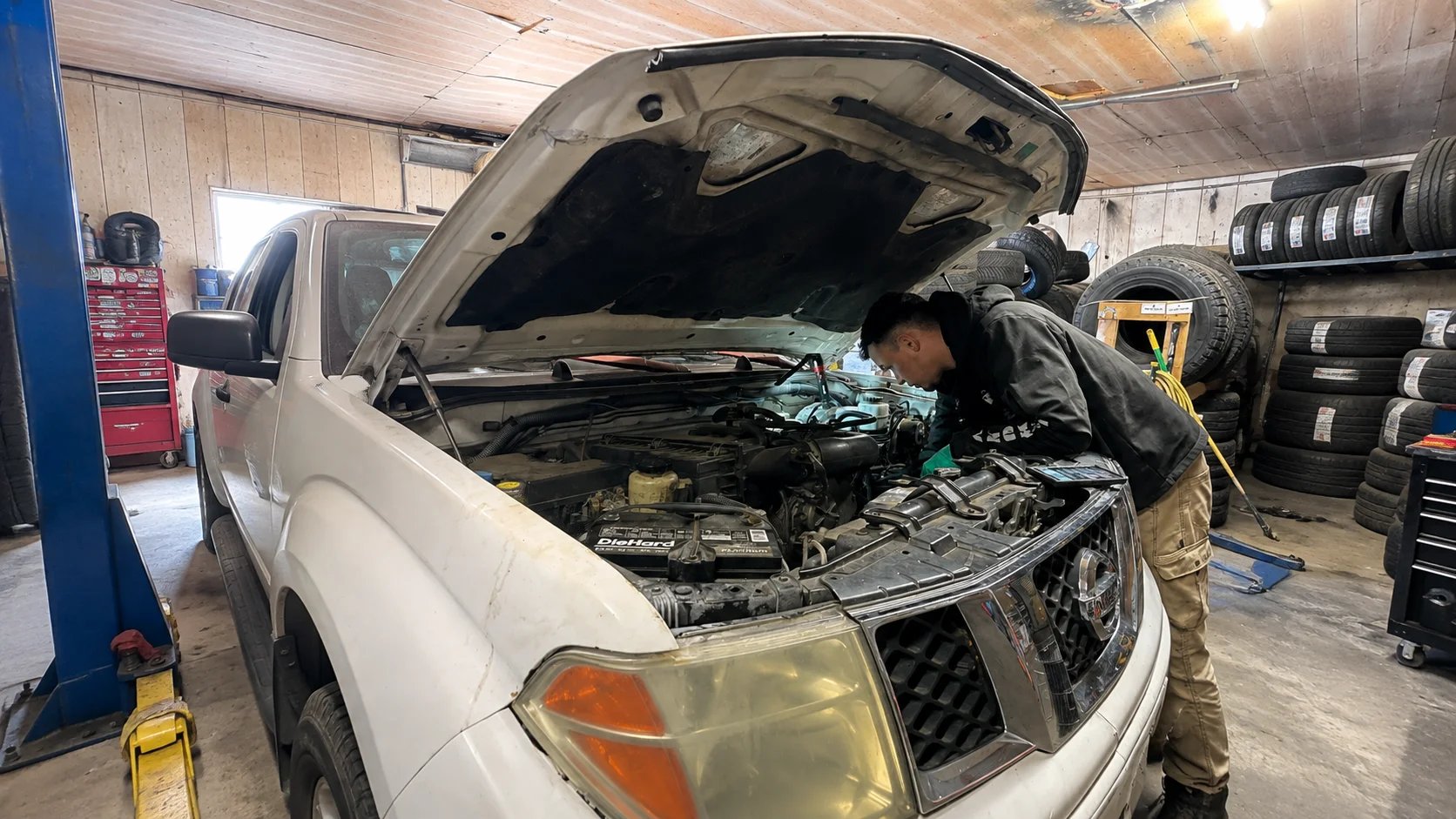
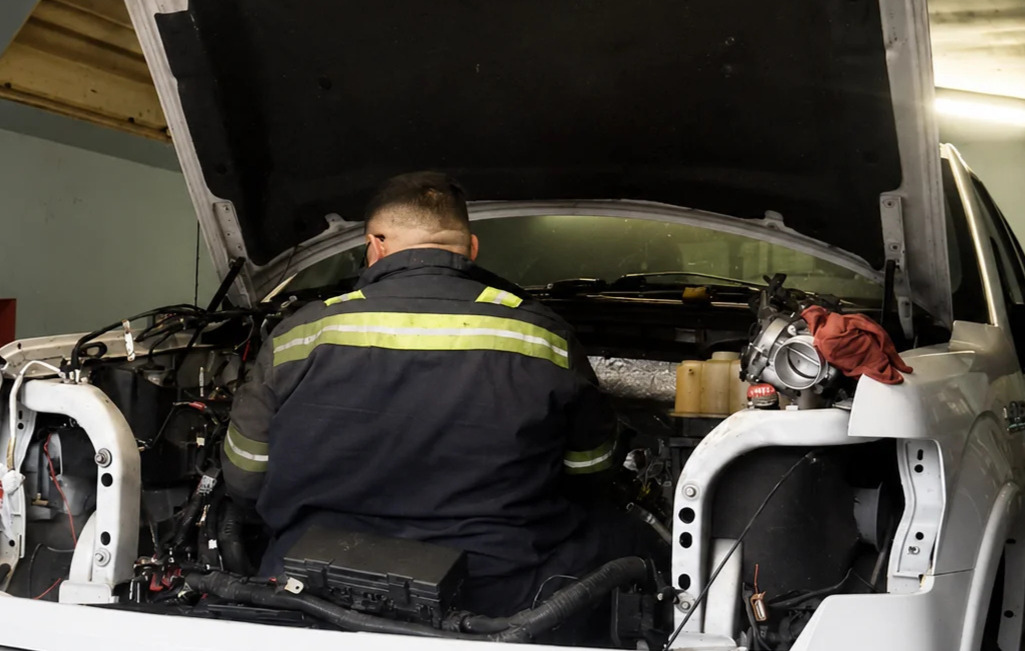
Preventive maintenance kicks off by spotting problems early. This includes checking for warning lights, unusual sounds, fluid leaks, uneven tire wear, low battery performance, and signs that a vehicle isn't running as efficiently as it should. Diagnostics are especially useful because they can reveal issues not yet obvious to the driver. Modern fleet vehicles often have sensors and onboard systems that can save time and prevent guesswork.
If a check engine light shows up, don’t ignore it. The National Highway Traffic Safety Administration stresses the importance of vehicle warnings and safety awareness in its vehicle maintenance resources. For fleets, the earlier a fault is caught, the less likely it is to cause a downtime problem.
Oil Changes, Fluids, and Filter Replacement
Oil and fluids keep a vehicle running smoothly, especially when it's used a lot or under heavier loads. Engine oil, transmission fluid, brake fluid, coolant, and power steering fluid all play key roles. Filters are equally important as they help keep debris and contaminants from entering sensitive systems. Skipping these services can shorten component life and reduce performance.
Fleet vehicles usually rack up mileage faster than personal ones, so maintenance schedules should be based on actual use rather than assumptions. Businesses that track oil changes, top-offs, and filter replacement dates are better equipped to avoid unnecessary engine strain and protect their service intervals.
Brake, Tire, and Battery Checks
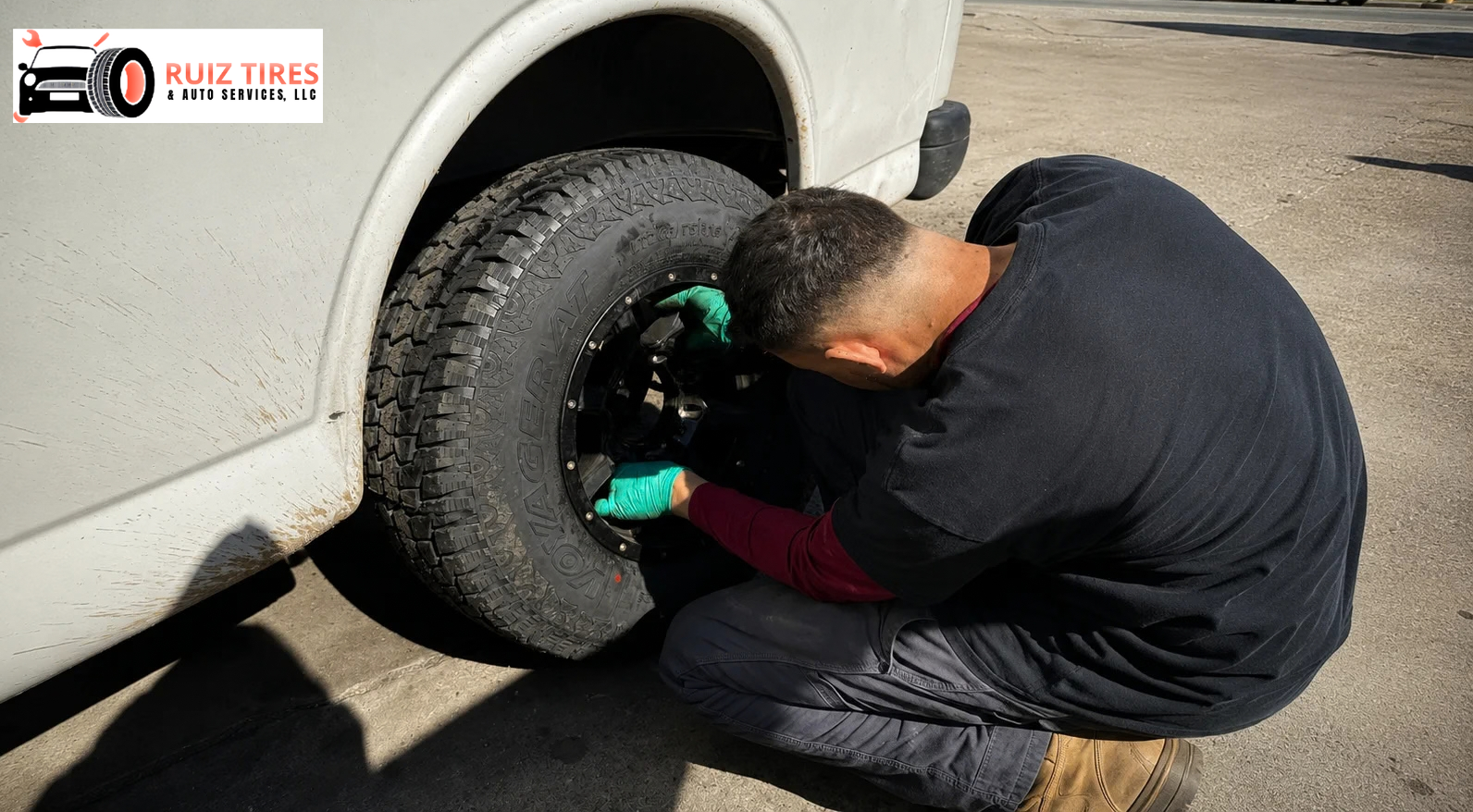
Brakes, tires, and batteries are common sources of fleet downtime because they wear in predictable but often overlooked ways. Brake pads and rotors can deteriorate gradually, leading to performance decline before major symptoms appear. Tires can lose tread, develop uneven wear, or suffer from pressure issues that affect handling and fuel economy. Batteries can weaken without much warning, especially in vehicles that sit idle between jobs.
These parts need regular attention because they directly affect safety. A business that includes them in routine service is reducing repairs and protecting drivers, cargo, and everyone else on the road.
How Preventive Maintenance Cuts Long-Term Costs
Small Services Save Big Bucks
It's almost always cheaper to replace a worn belt during scheduled service than to replace a damaged engine part after a failure. The same goes for brakes, tires, batteries, and cooling system components. Preventive maintenance catches problems when they're still manageable, which usually means lower labor costs, fewer secondary repairs, and less lost time.
Businesses also save by avoiding the hidden costs of downtime. Towing fees, rush parts, emergency labor, rescheduled appointments, and lost revenue can quickly exceed the cost of routine care. That’s why many fleet managers treat maintenance as cost control rather than a discretionary expense.
Boosting Fuel Economy and Efficiency
A well-maintained vehicle often performs more efficiently than one overdue for service. Proper tire pressure, clean filters, fresh fluids, and healthy engine components all support better fuel use and smoother operation. While the exact savings vary by vehicle and usage, even modest improvements can make a difference across multiple units and many miles.
For businesses running delivery vans, service trucks, or sales vehicles, improved efficiency can also reduce wear on other systems. When vehicles are operating properly, drivers usually notice smoother acceleration, steadier braking, and fewer performance complaints.
More Uptime Means More Revenue
One of the biggest financial perks of preventive maintenance is uptime. A vehicle that stays on the road earns money, completes routes, and supports customers. A vehicle in the shop does none of those. By planning service ahead of time, businesses can reduce unplanned downtime and keep schedules reliable.
This is especially important for companies managing multiple vehicles needing dependable coverage each day. A single missed unit can create a domino effect on staffing and customer service. Preventive fleet maintenance helps lower that risk and gives managers more control over their day.
Creating a Maintenance Schedule That Works
Base the Plan on Real Use
There's no one-size-fits-all maintenance schedule for fleet vehicles. The right plan depends on mileage, stop-and-go traffic, load weight, weather, terrain, and how each vehicle is used. A local delivery van might need different intervals than a service truck or transport vehicle. Commercial fleets operating under heavy use should usually be inspected more often than personal vehicles.
One practical approach is to build service intervals around actual usage data instead of waiting for problems to appear. That means tracking mileage, service dates, and recurring issues. Businesses with a structured plan often find it easier to forecast expenses and schedule repairs without interrupting operations.
Spot Patterns with Maintenance Records
Maintenance logs are valuable because they reveal trends over time. If one vehicle repeatedly needs brake work or another keeps triggering battery issues, that pattern can point to a larger problem. It might be a driving habit, a part quality issue, or a vehicle being used beyond its intended capacity.
Fleet records also make it easier to decide when to replace a vehicle instead of continuing to repair it. That decision becomes clearer when managers can compare repair frequency, downtime, and total cost of ownership over time.
Partner Up with a Shop That Understands Business Vehicles
The best maintenance plans often involve professional support. A shop that handles auto repair and auto maintenance can help businesses create realistic schedules, prioritize urgent work, and keep service simple. For companies with multiple units, a service partner can also make fleet planning more consistent and less stressful.
At Ruiz Tires & Auto Services, we know fleet customers need straight answers and dependable turnaround, not guesswork. With over 9 years of experience serving local drivers and businesses, we focus on practical service plans that keep vehicles ready for work.
Warning Signs Your Fleet Needs Attention
Dashboard Lights, Strange Noises, and Vibration
Warning signs are often the first clue something's starting to fail. Dashboard lights should always be investigated, especially if they appear with performance changes. Grinding, squealing, knocking, shaking, or pulling while driving can point to brake, suspension, tire, or engine problems. A quick inspection now is better than a full repair later.
Fleet drivers should be encouraged to report issues early instead of waiting for a vehicle to “make it through the day.” That mindset can save businesses from a costly roadside call and help technicians fix the root cause before the issue spreads.
Fluid Leaks, Poor Starting, and Reduced Performance
Leaks are never something to ignore because fluids support almost every major system. Coolant leaks can lead to overheating, oil leaks can reduce lubrication, and brake fluid leaks can create serious stopping issues. Difficult starts, sluggish acceleration, and decreased fuel efficiency are also signs that service is due. These symptoms often start small and become more expensive if left alone.
For a business vehicle, even one of these symptoms deserves attention. The sooner it's inspected, the easier it is to determine whether the issue is minor maintenance or a more involved repair.
Uneven Tire Wear and Brake Fade
Uneven tire wear may point to alignment, inflation, suspension, or driving issues. Brake fade, longer stopping distances, or a soft pedal feel can indicate worn components or fluid problems. These concerns affect safety immediately and should never be delayed. They're also among the easiest problems to spot during routine inspections, which is why preventive checks are so valuable.
Fleet vehicles often cover more miles in less time, so these warning signs can show up faster than business owners expect. A routine inspection schedule helps catch them before they create a service interruption.
How Preventive Fleet Maintenance Supports Safety and Compliance
Safer Vehicles Mean Safer Drivers
Safety is a big reason to stay ahead of maintenance. Brakes, tires, lights, steering systems, and engine components all affect how a vehicle performs in traffic, during sudden stops, and in poor weather. A well-maintained fleet lowers the chance a preventable mechanical issue will cause an accident or leave a driver stranded.
This safety benefit extends beyond the driver. Other motorists, pedestrians, passengers, and job-site workers depend on vehicles being roadworthy. Preventive care helps businesses take that responsibility seriously.
Maintenance Records Build Accountability
Many businesses need documentation to show service was completed on schedule. Maintenance records help demonstrate a consistent care routine and can be useful for internal accountability, warranty support, and budgeting. They also help managers verify which vehicles are due for service and which ones are current.
This becomes particularly useful for businesses with multiple drivers using shared vehicles. Records reduce confusion and make it easier to assign responsibility for reporting problems before they escalate.
Regular Inspections Align with Industry Standards
The National Institute for Automotive Service Excellence stresses the value of professional automotive service and maintenance standards, reinforcing the importance of qualified inspections for business vehicles. While every fleet has different needs, the principle remains: proactive service is more reliable than waiting for failure. Businesses following this approach usually see more predictable outcomes and fewer avoidable disruptions.
Practical Steps for Business Owners Managing a Fleet
Create a Simple Reporting Process for Drivers
Drivers are often the first to notice a problem, so they need an easy way to report it. A simple checklist can ask about warning lights, noises, smells, leaks, vibrations, and unusual handling. When drivers know what to look for, they can provide better information and help technicians diagnose the issue faster.
Businesses encouraging early reporting often save money because they repair problems before they spread. Clear communication also reduces the chance a vehicle will be used too long with a known issue.
Set Reminders for Recurring Maintenance
Even the best maintenance plan can fail if nobody tracks it. Reminders for oil changes, tire checks, brake inspections, battery testing, and fluid service keep the schedule moving. Digital calendars, fleet software, and service logs can all help. The key is consistency.
When reminders are tied to mileage and dates, managers can service vehicles at the right time rather than after a problem appears. That helps eliminate gaps in maintenance and improves fleet reliability over time.
Work with a Shop That Can Handle Multiple Vehicle Needs
Fleet maintenance is easier when one team can manage inspection, repair, and routine service under the same roof. This reduces delays and keeps communication simple. If your business is looking for dependable support, our fleet services are designed to help commercial vehicles stay on the road with fewer surprises. We also support business owners who need fast, practical answers from an experienced local shop.
For businesses in Greenville and surrounding areas, a relationship with a trusted repair shop can turn maintenance from a recurring headache into a dependable system. That kind of partnership is often what keeps busy operations moving through the week without unnecessary interruptions.
Real-World Examples of Preventive Maintenance Paying Off
Delivery Vehicles That Stay on Schedule
Imagine a local delivery business with several vans on the road each day. One vehicle begins showing early signs of brake wear, but the driver reports it during a routine inspection. The brake service is completed before the pads damage the rotors, saving the company from a bigger repair and keeping deliveries on time. That's preventive maintenance in action: small intervention, major payoff.
Now compare that to a vehicle ignored until the brakes fail during a route. The business may face towing, rescheduling, customer complaints, and additional labor. The difference between those outcomes isn't luck; it's planning.
Service Fleets with Fewer Emergency Calls
A service company relying on vans or trucks can't afford repeated roadside problems. When routine checks are in place, technicians can catch issues like battery wear, tire damage, and fluid loss before stranding the driver. Over time, that lowers emergency repair rates and helps managers budget with more confidence.
This is one of the biggest reasons fleet maintenance matters. It lets owners move from reactive spending to controlled, predictable spending.
Longer Vehicle Life and Better Resale Value
Well-documented maintenance also helps when it’s time to replace a vehicle. Buyers and dealers often see regular service as a sign the vehicle has been well cared for. That can boost resale value and make transitioning to a newer unit easier. For businesses cycling vehicles every few years, that added value can make a meaningful difference.
In that sense, preventive care supports the entire lifecycle of the vehicle, not just the current month's schedule.
Why Businesses Choose Ruiz Tires & Auto Services for Fleet Support
Experienced, Customer-Focused Service
Ruiz Tires & Auto Services offers trusted auto repair, preventive maintenance, and fleet services for drivers and businesses throughout Greenville. Our team knows business vehicles need prompt attention, honest recommendations, and repairs done right the first time. We aim to keep service simple, efficient, and practical for real-world use.
As a local, female-owned and operated shop, we pride ourselves on building relationships based on transparency and dependable communication. That matters when your business depends on clear answers and steady follow-through.
One-Stop Support for Common Fleet Needs
Commercial vehicles often need more than one kind of service, which is why a full-service approach helps. From diagnostics and brake repairs to tire replacement, oil changes, engine services, and scheduled maintenance, our shop is equipped to handle common needs that keep fleets moving. We also help drivers stay ahead of service issues before they become bigger problems.
Whether your business needs routine support or repair help for a specific vehicle, having one trusted team can reduce stress and simplify scheduling.
A Local Partner for Long-Term Reliability
Businesses benefit when their auto shop understands local driving patterns, daily demands, and the urgency of keeping vehicles available. If you're comparing service options, it helps to work with a shop that balances maintenance planning with quick response when repairs are needed. That combination of preventive support and repair expertise is what keeps a fleet dependable over time.
For more background on why routine service matters, you might find value in our guide to the importance of regular auto service and our article on how often to change your oil. Both connect directly to keeping commercial vehicles healthy and reducing avoidable downtime.
FAQ: Preventive Fleet Maintenance for Business Owners
How Often Should Fleet Vehicles Be Inspected?
The answer depends on mileage, vehicle type, and job demands, but most fleet vehicles benefit from regular inspections before small problems turn into major repairs. Higher-use vehicles should usually be checked more often than low-mileage units. The safest approach is to build a schedule around actual use and manufacturer guidance.
What’s the Biggest Mistake Fleet Owners Make?
The most common mistake is waiting until a driver complains or a warning light appears. By that point, the problem may already be affecting performance or safety. A preventive mindset, supported by records and routine checks, usually creates better results and fewer emergency expenses.
Can Preventive Maintenance Really Save Money?
Yes. It often reduces the likelihood of costly breakdowns, extends the life of major parts, and lowers downtime. While there is always a service cost, that cost is usually easier to manage than an emergency tow, rush repair, or unexpected vehicle replacement.
Should Small Businesses Use Fleet Maintenance Even with Only a Few Vehicles?
Absolutely. Even a small fleet can be disrupted by one failed vehicle. A few well-maintained units can support a business far more reliably than a larger group of poorly maintained ones. Preventive care scales well, whether you have two vehicles or twenty.
Keep Your Business Moving with a Proactive Maintenance Plan
Preventive fleet maintenance is a simple way to protect your schedule, reduce repair stress, and keep your business productive. It helps you catch problems early, manage costs more effectively, and extend the life of the vehicles your company relies on every day. Instead of hoping a breakdown never happens, you create a system that makes breakdowns less likely.
If your business needs dependable help with maintenance, diagnostics, or repair planning, Ruiz Tires & Auto Services is here to help. Our team provides practical support for commercial vehicles and everyday drivers who want honest service and lasting results. To keep your fleet moving, contact us today at (864) 593-5230 or visit 1850 W Blue Ridge Dr, Greenville, SC 29611 to learn how we can help you stay ahead of the next breakdown.