Worn-Out Tires? Know When It's Time to Replace Them
Tires are crucial for your car's safety, but they're easy to forget about until there’s a problem. If you're wondering whether your tires are still safe, it's all about checking the tread, age, visible damage, and how your car feels when you drive. For guidance, our auto repair services and auto maintenance services are here to help you decide before a minor issue turns into something major.
The National Highway Traffic Safety Administration says tire condition is key for stopping distance, traction, and avoiding accidents, especially in the rain. You can check out their tire safety guide to compare your tires to their standards. This article will help you figure out when your tires are worn out, when to replace them, what causes them to wear out too soon, and how to make them last longer.
Why Tire Replacement Matters More Than Most Drivers Realize
Safety Starts Where the Rubber Meets the Road
Your tires are the only parts of your car that touch the road. They affect braking, steering, and how your car handles when it's wet or bumpy. Even if your engine is running great, worn tires can make it hard to stop quickly or stay in control. So, replacing tires isn't just about looks.
Wear That Happens Slowly Is Easy to Miss
Most folks don't notice their tires wearing out because it happens over time. Your car still drives okay, the steering wheel works, and the tires might look fine from afar. But once the tread gets low or the rubber dries out, performance drops, often without you realizing until things get tricky. Regular checks are just as important as keeping track of miles.
Replacement Is Often Cheaper Than Waiting Too Long
Putting off tire replacement can lead to uneven wear, poor gas mileage, suspension stress, and sometimes a blowout. A worn tire can hide other car problems too, since it might make the car shake or feel unstable. If your car's handling is off, it might be time for a full check-up, and maybe some related fleet services or maintenance.
The Most Common Signs Your Tires Are Worn Out
Tread Depth Is Below the Safe Limit
The easiest way to check your tire's health is to measure the tread depth. In the U.S., the legal minimum is 2/32 of an inch, but experts suggest replacing them sooner, especially in rainy areas or if you drive a lot. Try the penny test: stick a penny into the tread with Lincoln’s head down. If you see the top of his head, it's time for new tires.
Uneven Wear Patterns Show a Bigger Issue
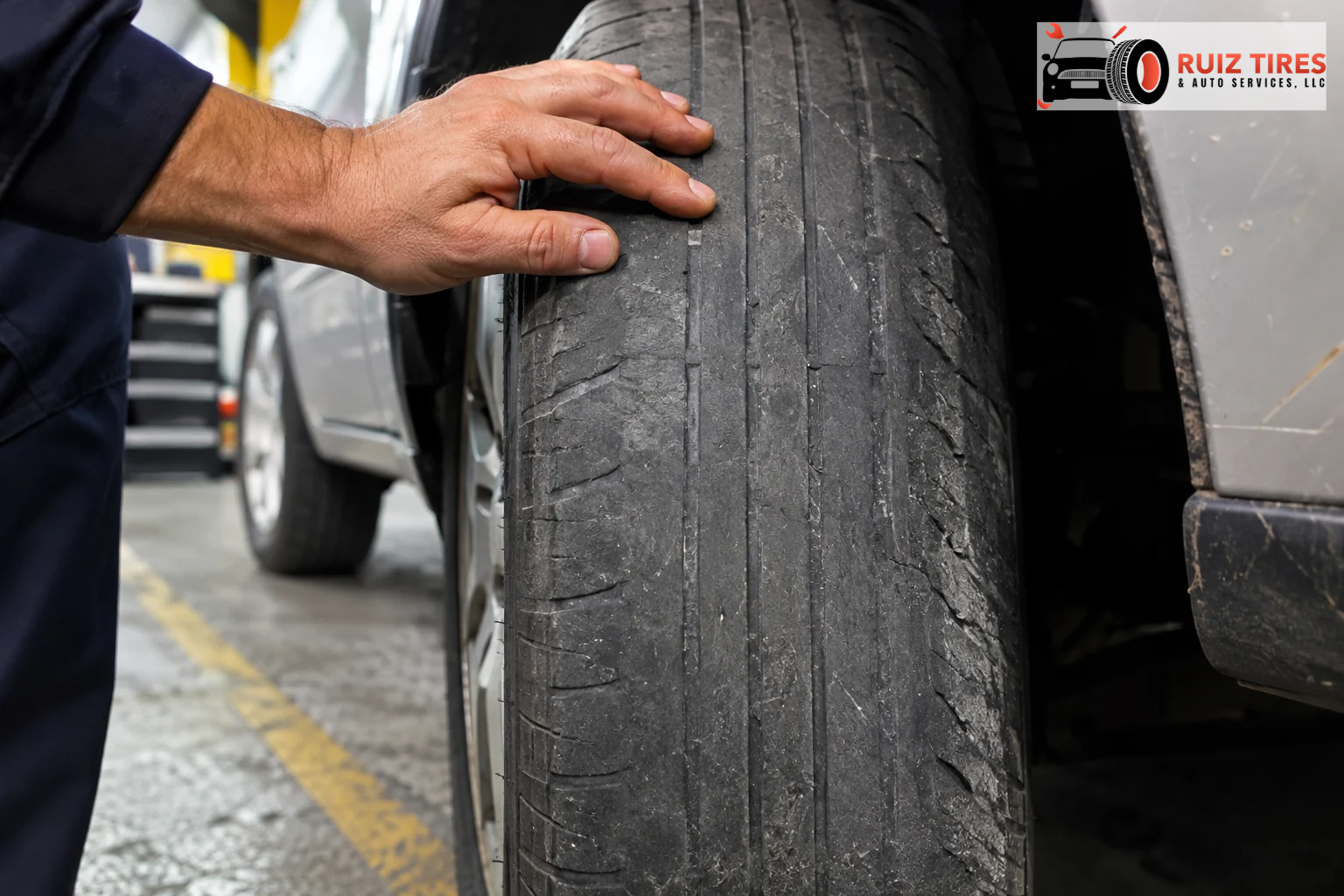
If one side of your tire is smoother than the other, it might not be the tire's fault. Uneven wear can mean alignment issues, worn suspension parts, underinflation, or a neglected rotation schedule. Keep your tires maintained for more even wear. For more on how routine service stops big problems, check out our article on preventive maintenance tips for Greenville drivers.
Cracks, Bulges, and Sidewall Damage Are Serious Warning Signs
Don't ignore sidewall damage. Cracks might mean the rubber is drying out, and bulges can mean internal damage that could fail suddenly. Even if the tread looks good, sidewall problems can make a tire unsafe at highway speeds. If you see a bubble, cut, or deep crack, replacing the tire is usually safer than repairing it.
Vibration, Noise, or Pulling Can Signal Tire Trouble
Worn or damaged tires can make your car feel different. You might hear humming, feel a vibration through the steering wheel, or notice the car drifting. These symptoms can also come from brake or suspension issues, which is why a professional inspection is important. To understand how car symptoms relate to repairs, check out our guide on warning signs your car feels different lately.
How to Inspect Your Tires at Home
Use a Tread Depth Test
You don't need fancy tools to check your tires. A penny, a quarter, or a cheap tread gauge can tell you if the grooves are deep enough for safe driving. Check different spots on each tire because wear isn't always even. If the center is more worn than the edges, the tire might be overinflated. If both edges are more worn, it might be underinflated.
Look for Age-Related Deterioration
Tires age even when they're not driven much. Heat, sunlight, and time break down rubber, making old tires brittle. The DOT code on the sidewall shows when the tire was made. Many experts say replace tires around six years old, definitely not beyond ten years, even if they look okay. This goes for spare tires that might be forgotten for years.
Check Inflation and Valve Stems
Underinflation is a common cause of premature wear. It creates extra heat, reduces fuel economy, and can damage sidewalls. Overinflation can also hurt traction and wear the center of the tread faster. Check your tire pressure monthly and before long trips. If a tire keeps losing air, there might be a puncture, faulty valve stem, or bead leak that needs a pro's attention.
What Causes Tires to Wear Out Faster
Driving Habits Make a Big Difference
Aggressive acceleration, hard braking, fast cornering, and hitting potholes all shorten tire life. These actions create heat and stress that speed up wear and might damage the belts or sidewalls. Drive smoothly to extend tire life and improve your car's efficiency. If your commute involves stop-and-go traffic or rough roads, your tires might need replacing sooner than expected.
Alignment and Suspension Problems Accelerate Wear
If your wheels are out of alignment, the tires might scrub against the pavement at the wrong angle, causing uneven tread wear. Worn shocks, struts, or ball joints can also shorten tire life by letting the wheel bounce or shift too much. If your steering feels off, consider combining tire inspection with repair service to fix the root cause, not just the symptoms.
Road Conditions and Climate Matter
Hot weather, heavy rain, construction debris, and rough pavement all contribute to faster wear. Tire rubber ages faster in high heat, and repeated wet roads can expose weak tread sooner. In areas where storms come quickly, wet traction is as important as dry. For more on tire care and performance, the U.S. Tire Manufacturers Association offers great resources.
How Long Tires Usually Last
Mileage Is Only Part of the Story
Many drivers think tires last a set number of miles and can be replaced on a schedule. But tire life depends on driving style, road conditions, rotation habits, and inflation. Some tires wear out before 40,000 miles, while others last much longer with care. Mileage guidelines help, but don't replace a visual check.
Treadwear Warranties Can Help Set Expectations
Some tires come with treadwear warranties, but these are estimates, not guarantees. A warranty might suggest a tire is designed for 60,000 miles, but that doesn't mean every driver will get there. Road conditions, weather, and maintenance all affect real performance. A warranty helps, but shouldn't be the only reason to decide if a tire is safe.
Age Is Often More Important Than Miles
Low-mileage tires can age out before they wear down. This happens with spare tires, second vehicles, and cars driven seasonally. Rubber can dry out, crack, or lose flexibility before the tread wears. If you're unsure how old your tires are, a pro can help you decide if replacement is safer.
Repair or Replace: How to Decide
Some Punctures Can Be Repaired Safely
Not every damaged tire needs to be tossed. Small punctures in the tread area may be repaired if they're within safe limits and the tire has enough life left. But punctures in the sidewall, shoulder damage, or large holes usually mean replacement. Safety should guide your decision, not just saving money.
When Replacement Is the Better Option
If the tire has low tread, sidewall damage, dry rot, or keeps losing air, replacement is often best. The same goes for uneven wear that affects performance. Sometimes replacing one tire isn't enough if the others are worn too. Matching tires helps keep balance, braking, and traction consistent.
Professional Inspection Removes the Guesswork
It can be tough to tell if a tire is unsafe just by looking. A trained tech can measure tread, check sidewalls, look for pressure loss, and find suspension issues causing wear. This is especially important if you're planning a road trip or have a busy family car. To make sure your tires are ready for the road, our guide on road trip car prep is a handy resource.
How Tire Replacement Improves Everyday Driving
Better Traction in Rain and Emergency Stops
New tires with good tread can channel water away from the contact patch, reducing hydroplaning risks. This is crucial during sudden downpours or emergency braking. Even if your old tires haven't failed yet, better tread boosts confidence and safety.
Smoother Handling and Less Road Noise
Fresh tires make steering more predictable and reduce vibrations or noise from uneven wear. They also improve comfort on long drives, especially if your old set was rough. Many drivers don't realize the impact of tire condition until they switch to new ones. The difference is often immediate.
Potential Fuel Savings and Longer Component Life
Properly inflated, well-matched tires support better gas mileage and reduce strain on other car parts. Worn or unbalanced tires make the whole vehicle work harder. Replacing bad tires isn't just about safety; it protects the rest of the car too. For those wanting to prevent small problems, regular auto maintenance is a smart move.
Frequently Asked Questions About Worn-Out Tires
Can I Keep Driving If the Tread Is Low?
You might keep driving a bit if the tread is low but not yet below the legal or safety threshold. Still, low tread is a warning, not a green light. Wet-road performance drops quickly as tread wears down, and stopping distances can increase. If your tires are close to the limit, schedule replacement soon.
Do I Need to Replace All Four Tires at Once?
Often, replacing all four tires is best for consistent traction and handling. But if only one or two are damaged, a tech might suggest replacing a pair or even just one, depending on tread depth, vehicle type, and drivetrain. The goal is a balanced, safe car. Recommendations should be based on inspection, not guesswork.
How Often Should Tires Be Rotated?
Most cars benefit from tire rotation every 5,000 to 8,000 miles. The exact interval depends on the manufacturer's recommendations and driving conditions. Rotation helps tires wear evenly and extends their life. If you're overdue for rotation, it might explain some of the wear you see. A rotation schedule is an easy way to protect your investment.
What If My Tires Look Fine but Are More Than Six Years Old?
Old tires can be unsafe even if the tread looks good. Age-related cracking, weakening, and loss of elasticity can happen before the tire looks worn. That's why the production date matters. If you're unsure about your tires' age, ask a pro to read the DOT code and check their condition.
Final Checks Before You Choose Replacement Tires
Match the Tire to Your Driving Needs
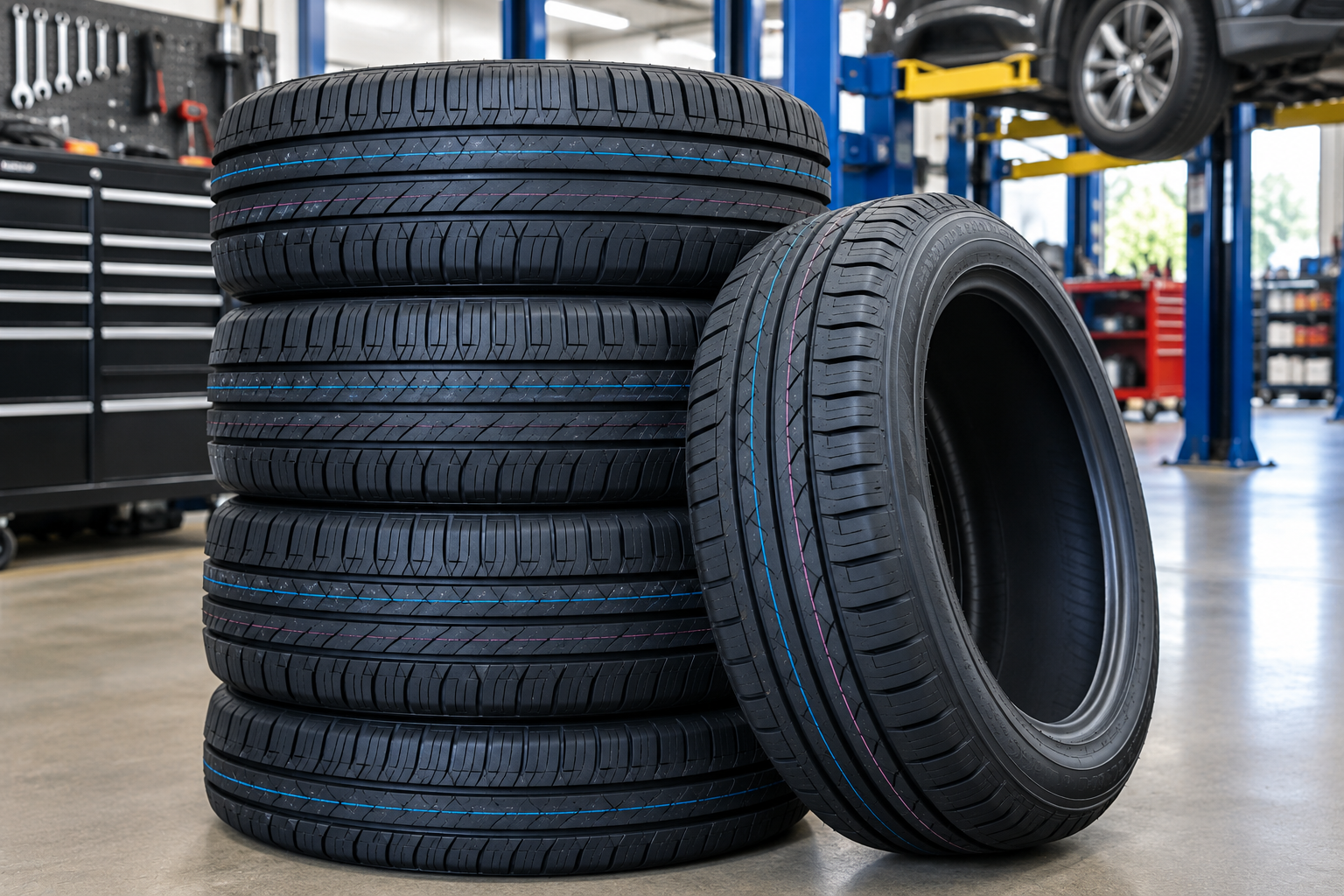
Not every tire suits every purpose. Some focus on long tread life, while others prioritize wet traction, comfort, or performance. The right choice depends on your car, commute, and how often you drive in rain, heat, or heavy traffic. Picking the right tire can improve safety and make your car feel better on the road.
Review Balancing, Alignment, and Installation
A new tire only performs as well as its installation. Proper balancing prevents vibration, and alignment helps new tires wear evenly from the start. Skipping these steps can shorten the life of the new set. Tire replacement should be part of a complete service, not just a quick swap.
Work With a Shop That Explains the Options Clearly
Good tire advice shouldn't be confusing or rushed. A reliable shop will explain whether your tires can be repaired, if replacement is needed, and what your options mean for budget and performance. If you want help from a team that values clear communication and dependable service, Ruiz Tires & Auto Services is here to support you with careful inspections, honest guidance, and quality work.
Conclusion: Don’t Wait for a Tire Problem to Become a Roadside Emergency
Worn-out tires affect everything from braking and steering to comfort and fuel economy. Fortunately, most tire problems show warning signs before a failure happens. By checking tread depth, looking for cracks or bulges, paying attention to handling changes, and following a rotation schedule, you can make smarter decisions about when replacement is needed. If your tires are wearing out, don't wait for rain, heat, or highway speeds to turn it into a safety risk.
If you want a straightforward next step, schedule an inspection to see how your tires are doing. Whether you need repair advice, replacement planning, or a broader maintenance check, our team can help you move forward with confidence. Visit our auto repair and fleet services pages to learn more, or contact Ruiz Tires & Auto Services to keep your vehicle safe, reliable, and road-ready.