Why Skipping Car Maintenance in Greenville, SC Can Lead to Big Repair Bills
Life gets busy, and it’s easy to put off car maintenance. But those small delays can quietly turn into expensive repairs. Skipping an oil change, ignoring worn brake pads, or overlooking tire issues can lead to bigger problems. These small issues can affect multiple systems, making the final bill much higher than what the original maintenance would have cost. If you’re starting to notice strange noises, warning lights, or rough performance, our auto repair team is here to help identify the problem before it gets worse.
This guide will show you how regular vehicle care can prevent major problems, which warning signs matter most, and what happens when you ignore everyday maintenance. You'll also get practical tips on creating a simple service routine, understanding the real cost of delays, and knowing when it’s time to call in the pros. If you’re trying to balance maintenance needs with broader service planning, our auto maintenance service is a reliable way to keep everything on track.
According to the U.S. Department of Transportation, regular care is one of the best ways to boost road safety and extend vehicle life. The National Highway Traffic Safety Administration highlights how crucial it is to regularly check tires, brakes, and fluid systems. For more details, check out the NHTSA vehicle safety resources. It’s simple: maintenance isn’t just about keeping your car running smoothly; it’s about stopping a chain reaction of damage.
Why Small Maintenance Issues Become Big Repair Bills
Minor Wear Can Cause Major Damage
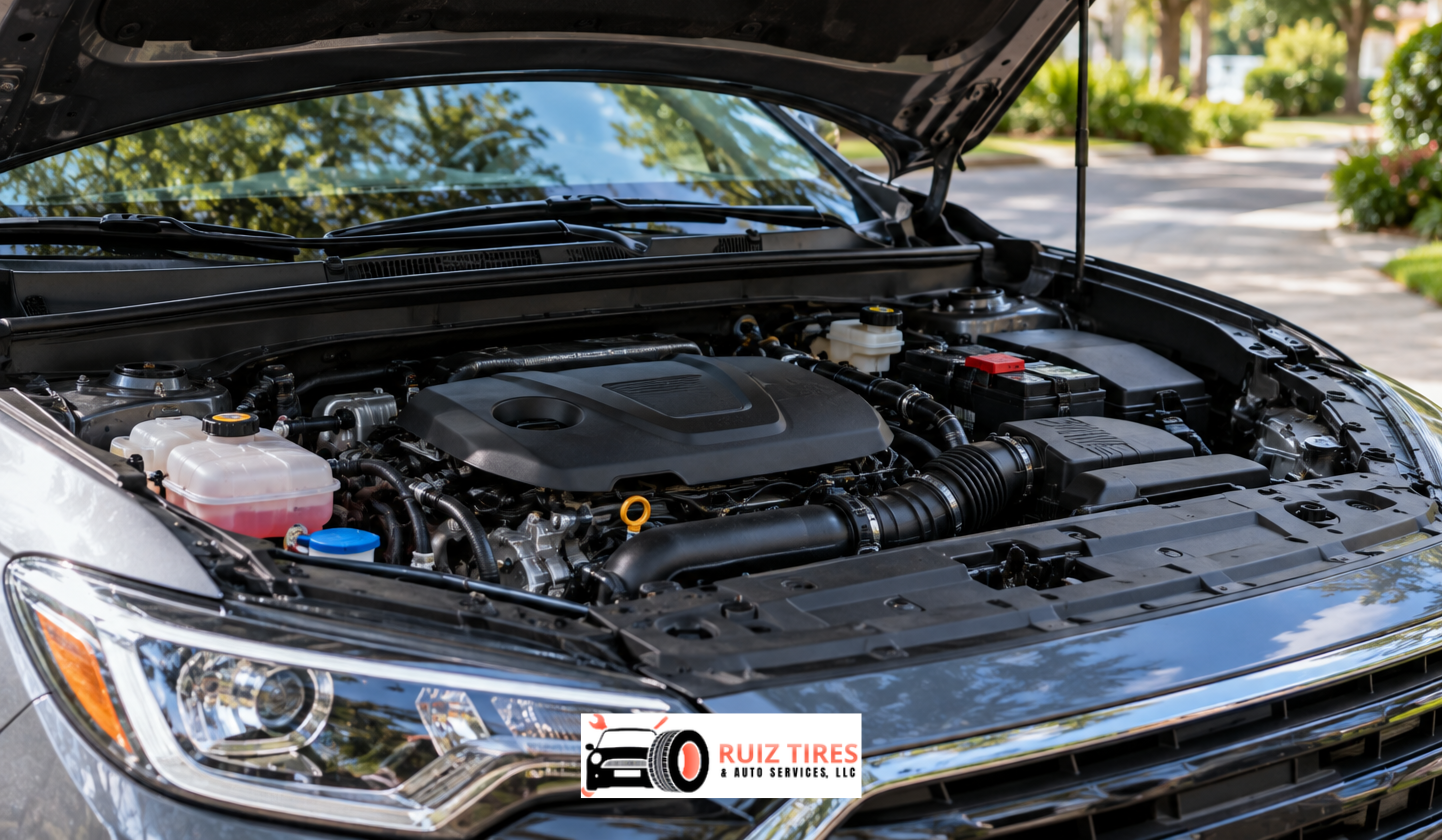
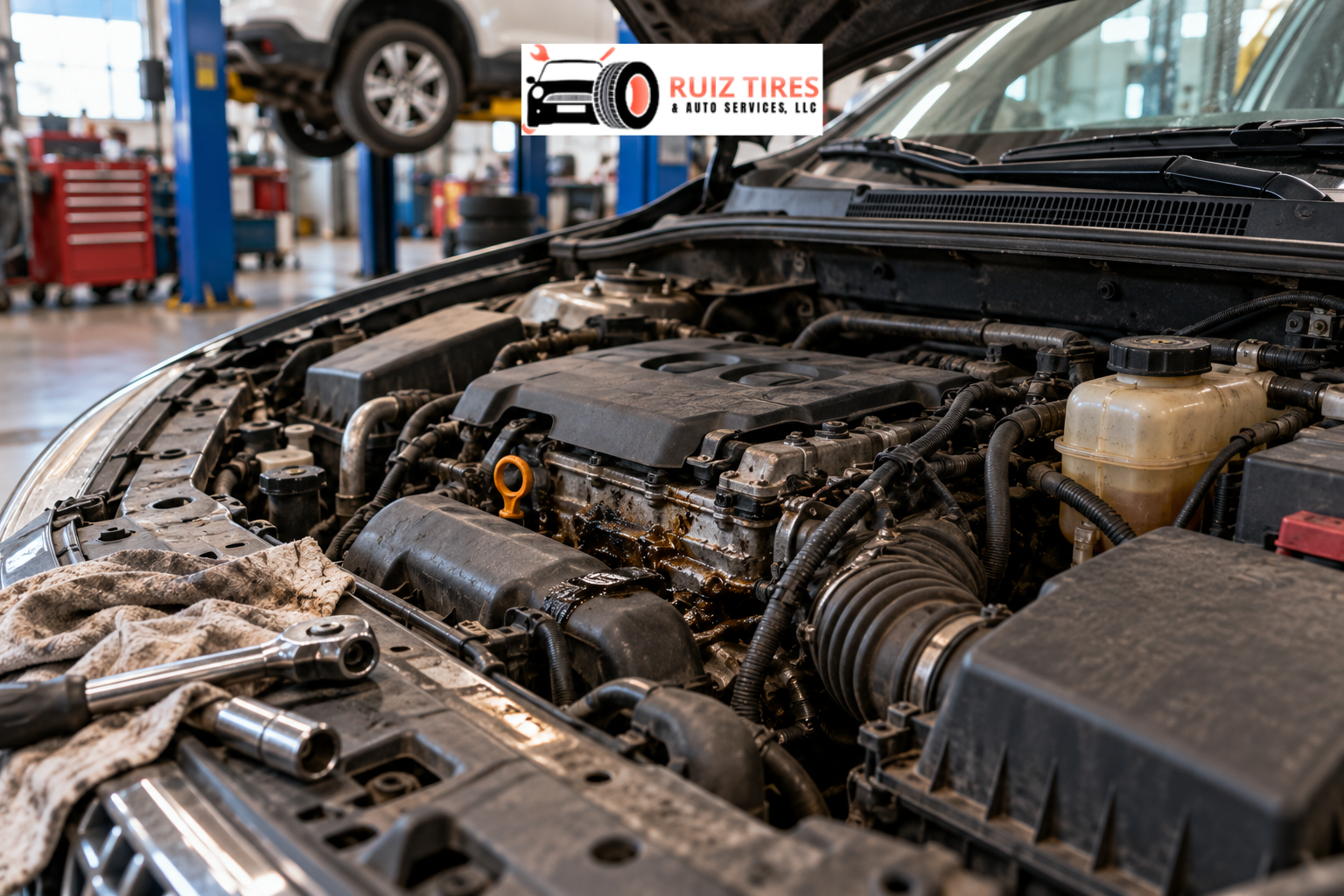
Cars are a bundle of interconnected systems, so neglecting one part can affect others. For instance, low oil can lead to poor lubrication, which increases heat and friction inside the engine. It might start with a warning light or a little noise, but ignoring it can lead to engine damage that costs way more than a simple service.
The same goes for brakes, belts, hoses, suspension parts, and tires. A tiny crack in a hose can cause a fluid leak. Worn brake pads can damage the rotor. Uneven tire wear can mess with steering and alignment. Initially, these issues are manageable, but they become costly when allowed to impact other parts.
Delayed Service Means Higher Costs
When a problem is left to spread, fixing it usually takes more time and parts. Instead of replacing one cheap part, technicians might have to repair a connected system, clean up secondary damage, and test several components to ensure the issue is fixed. This means more labor, more diagnostic time, and sometimes more than one replacement part.
Many drivers are surprised to discover that waiting can also make parts harder to find if the failure is severe enough to affect related components of the vehicle model. What might’ve been a quick maintenance visit turns into a multi-step repair process. So, skipping service often ends up being the pricier choice, even if it seems cheaper at first.
The Most Common Maintenance Tasks Drivers Delay
Oil Changes and Fluid Checks
Oil changes are one of the most delayed maintenance tasks, yet they’re crucial. Oil keeps the engine lubricated, cleans debris from internal parts, and helps control temperature. If the oil gets dirty or breaks down, it can’t do its job effectively, which increases engine wear over time. Our oil change guide shows how driving habits, vehicle type, and mileage affect service intervals.
Other fluids matter too. Transmission fluid, brake fluid, power steering fluid, and coolant all support different systems. Ignoring low or dirty fluid levels can lead to slipping transmissions, weak brakes, overheating, or hard steering. These fixes often cost much more than the maintenance needed to prevent them.
Brake Inspections and Tire Care
Brakes aren’t something to guess about. If pads wear down too far, the metal backing can contact the rotor and cause more damage. What starts as a simple pad replacement can turn into a full brake job, with rotor resurfacing or replacement, and sometimes even caliper issues. Drivers who want to avoid stopping-distance troubles shouldn’t wait for a grinding noise before acting.
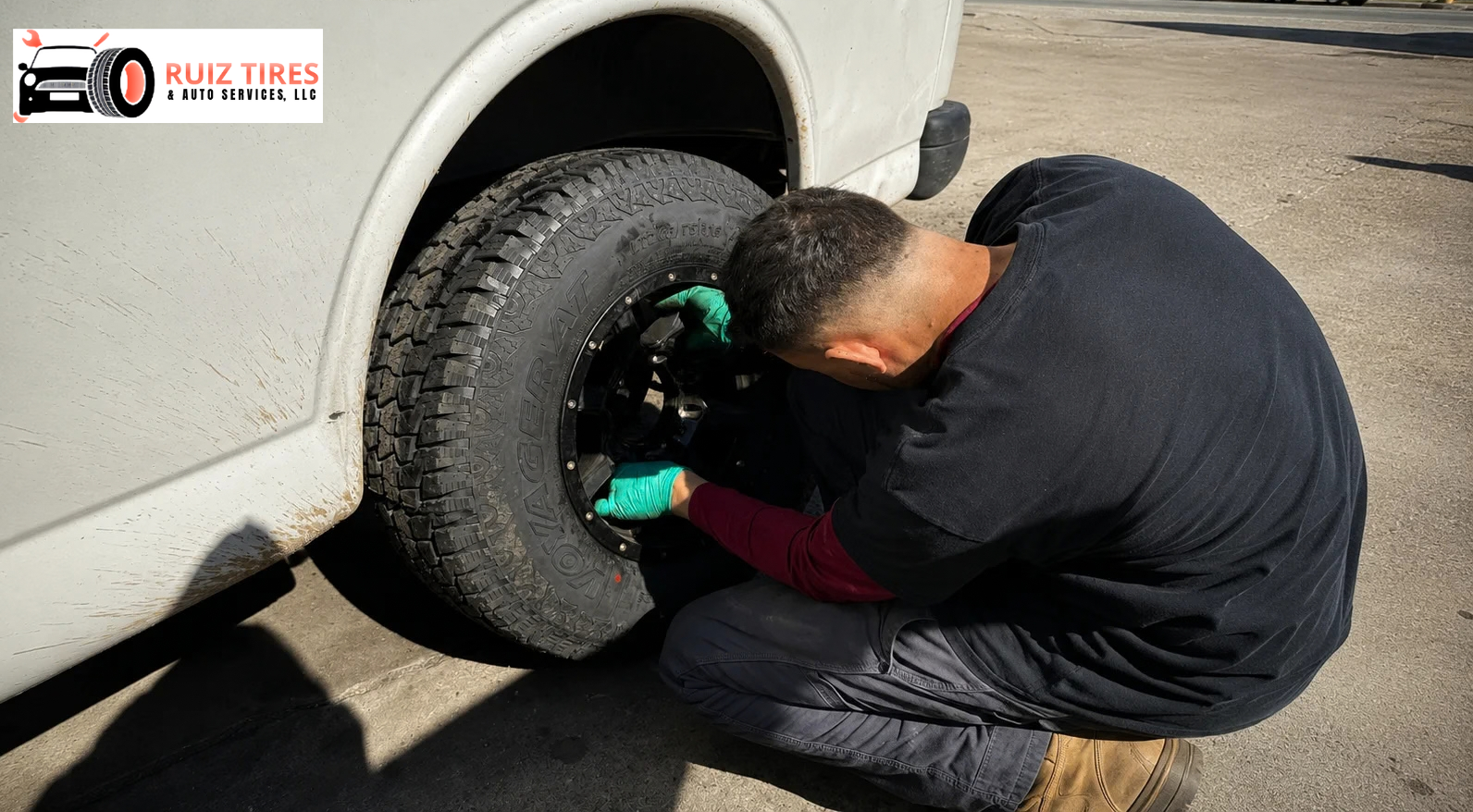
Tires need attention because they affect fuel economy, handling, ride comfort, and safety. Low pressure, poor alignment, and uneven wear can shorten tire life and stress suspension parts. The Tire Industry Association and the U.S. government emphasize proper tire maintenance, and you can check out safe tire guidance from federal safety resources. If your car needs a tire check alongside mechanical service, pairing it with fleet services or a routine shop visit can keep things efficient.
Warning Signs That Service Delays Are Costing You
Strange Noises, Vibrations, and Smells
Cars often give early warning signs before a major failure happens. Squealing brakes, knocking sounds from the engine, vibration while braking, or a burning smell all signal that something isn’t right. These symptoms might seem small at first, but they usually mean a part is wearing faster than normal or another system is compensating for the problem.
Ignoring these clues tends to make the repair bigger. A worn belt might just make noise initially, but if it breaks, it can strand you and damage nearby parts. A vibration that starts in one wheel might affect suspension components or cause extra tire wear. The sooner these signs are checked, the more likely the repair will be simple and affordable.
Warning Lights and Performance Changes
Dashboard lights aren’t there to annoy you. They’re early indicators that the car’s sensors have detected something unusual. A check engine light can point to a wide range of problems, from a loose gas cap to a misfire or emissions issue. If you’re unsure how serious the problem is, our check engine light guide explains when immediate attention matters most.
Performance changes are also important. If acceleration feels sluggish, the transmission shifts roughly, the steering feels loose, or the vehicle uses more fuel than usual, maintenance might already be overdue. These symptoms often result from a part working harder than it should because another system has been neglected.
How Preventive Maintenance Saves Money Over Time
Lower Repair Costs Through Early Detection
Preventive maintenance saves money because it catches problems early, when repairs are usually smaller and faster. This means a technician might only need to replace a worn filter, adjust a belt, top off a fluid, or swap brake pads before more serious damage develops. In many cases, early service prevents a larger breakdown that would require more labor and more parts.
This is why regular service is one of the best long-term investments a driver can make. A vehicle that gets consistent attention tends to last longer, perform more efficiently, and have fewer emergency issues. Our regular auto service guide offers a deeper look at how consistent care supports reliability and helps drivers avoid costly surprises.
Better Fuel Economy and Fewer Surprises
Maintenance affects fuel usage more than many realize. Dirty air filters, underinflated tires, worn spark plugs, and poor fluid condition can all reduce efficiency. While one issue might only shave off a little performance, several small problems together can create a noticeable drop in miles per gallon. Over time, that lost efficiency becomes an ongoing expense.
Another hidden benefit is predictability. When a car is serviced on schedule, drivers are less likely to face sudden failures that disrupt work, family routines, or travel plans. A predictable maintenance budget is easier to manage than a major emergency repair bill. In other words, small planned expenses are far more manageable than large unexpected ones.
What Happens When Drivers Keep Putting Repairs Off
Damage Spreads to Connected Components
One of the biggest risks of delay is that damage rarely stays isolated. A cooling problem can lead to overheating, which might affect the radiator, water pump, gaskets, and engine internals. A misaligned suspension issue can create tire wear, steering strain, and extra stress on shocks and struts. Once the problem spreads, the solution becomes more complex and expensive.
This is why a proper diagnostic check matters. Technicians look at the full system, not just the obvious symptom, because the visible issue is often only part of the story. A comprehensive inspection can reveal the root cause before it creates a second or third repair.
Breakdowns Can Interrupt Daily Life and Work
Financial cost is only part of the problem. A breakdown can also mean missed appointments, towing expenses, lost work time, and family inconvenience. For business owners, the impact can be even greater if a vehicle is used for deliveries, service calls, or transport. That’s where planning matters, especially for companies that rely on fleet services to keep vehicles running smoothly.
The sooner a problem is addressed, the more likely the owner is to avoid these disruptions. That’s why routine inspections aren’t just a maintenance habit; they’re part of practical planning. Preventive service supports reliability in the same way regular budgeting supports financial stability.
Simple Maintenance Habits That Prevent Expensive Repairs
Follow the Owner’s Manual and Service Schedule
The owner’s manual is one of the most useful maintenance tools a driver has. It explains service intervals, fluid types, tire pressures, and other requirements specific to the vehicle. Following that schedule helps reduce guesswork and gives the car the care it was designed to receive.
If the manual feels overwhelming, a trusted shop can help translate it into a practical plan. That plan might include oil changes, brake checks, tire rotations, fluid inspections, and periodic diagnostic scans. When those tasks are handled consistently, the driver is more likely to catch wear before it turns into a major repair.
Pay Attention to Seasonal Changes
Weather affects vehicle performance more than many people realize. Heat can strain batteries, hoses, and cooling systems, while cold weather can thicken fluids and make weak batteries fail more quickly. Rain can reveal tire and brake issues that might not be obvious in dry conditions. Seasonal inspections help catch these problems before the weather makes them worse.
Drivers in upstate South Carolina often see enough weather variation to make seasonal checks worthwhile. If your car is heading into a road trip, a commute change, or heavier use, it’s smart to review brakes, tires, battery health, and fluids before the schedule gets more demanding. This kind of preparation often costs far less than an emergency repair away from home.
Use Professional Inspections for Peace of Mind
Even careful drivers can miss early warning signs because modern cars hide many problems until the system reaches a certain threshold. Professional inspections use diagnostic tools, visual checks, and hands-on testing to identify issues that drivers may not notice. That makes them especially valuable when a vehicle is older, has high mileage, or has started acting differently.
For local drivers who want a one-stop option for routine care and repairs, scheduling with a trusted shop can simplify the entire process. A relationship with a shop helps technicians track wear patterns over time, which leads to more accurate recommendations and fewer surprises.
How to Know When Maintenance Can Wait and When It Can’t
Issues That Can Usually Be Scheduled Soon
Not every maintenance concern requires emergency service. A reminder for an oil change, a tire rotation that’s a little overdue, or a cabin filter that needs replacement can usually be handled soon without immediate danger. Even so, these tasks shouldn’t be pushed too far, because small delays tend to pile up.
The key is to be honest about timing. If the vehicle is still driving normally and no warning lights are on, you may have a small window to plan service. But that window should be used quickly. Routine care is far easier to manage before a delay becomes a pattern.
Issues That Need Prompt Attention
Some symptoms should never be ignored. Overheating, brake grinding, fluid leaks, flashing warning lights, steering instability, or severe vibration can point to serious problems. Waiting on these concerns can turn a repair that might have been manageable into one that affects safety, drivability, or both.
When in doubt, it’s better to get the vehicle checked than to hope the issue goes away. A quick diagnostic appointment can save money, time, and stress. It also gives drivers confidence that the car is safe to keep using.
Common Questions About Maintenance and Repair Costs
How Often Should I Really Service My Car?
The answer depends on the vehicle, mileage, and driving conditions. Some cars need service more often because they’re driven in heavy traffic, short trips, hot weather, or dusty conditions. Others can follow longer intervals based on manufacturer guidance. The best approach is to combine the owner’s manual with real-world driving habits and professional advice.
If you’re not sure where to start, begin with the basics: oil, tires, brakes, fluids, battery, and filters. Those are the systems most likely to create big problems when neglected. After that, seasonal checks and mileage-based inspections can fill in the rest of the schedule.
Is Preventive Maintenance Really Worth the Money?
Yes, because it usually costs less than repairing the result of neglect. A timely service visit may feel like an extra expense, but it often prevents larger repairs that affect multiple components. Over the life of a vehicle, that difference can be substantial.
Think of maintenance as protection rather than expense. It protects the engine, brakes, tires, safety systems, and your daily routine. It also helps preserve vehicle value, which matters if you plan to keep the car for years or trade it in later.
What if I Already Skipped Maintenance?
If maintenance has already been delayed, the best move is to get an inspection as soon as possible. A technician can prioritize the most urgent issues and create a realistic repair plan. In many cases, not everything needs to be fixed at once, but the most important items should be addressed first.
Getting back on schedule now still helps. Vehicles can often recover from moderate neglect if the issue has not caused irreversible damage. The sooner you act, the better the chance of keeping repair costs under control.
Stay Ahead of Repairs Before They Grow
Skipping regular car maintenance might seem harmless at first, but the long-term cost can be much higher than a simple service visit. Oil changes, brake checks, tire care, fluid inspections, and routine diagnostics all work together to keep your vehicle reliable. When those tasks are delayed, small issues can turn into larger problems that affect safety, performance, and your budget.
The good news is that most expensive repairs are preventable. By paying attention to warning signs, following a maintenance schedule, and getting professional help when something feels off, you can avoid many of the issues that catch drivers off guard. If your vehicle needs attention now, our team is ready to help with dependable auto repair, routine service, and honest guidance that keeps your car moving forward.
For drivers in Greenville and nearby communities, Ruiz Tires & Auto Services is here to make maintenance simple, transparent, and stress-free. Whether you need diagnostics, brake service, oil changes, or ongoing care, taking action today can help you avoid a much bigger bill tomorrow. Call (864) 593-5230, visit us at 1850 W Blue Ridge Dr, Greenville, SC 29611, USA, or schedule your next visit to keep small problems from becoming expensive repairs.